Understanding the functions and therapeutic potential of Prohibitins (PHB1,2) in metabolism and inflammation
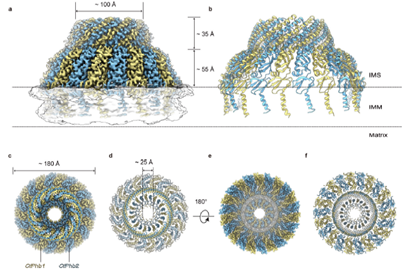
Prohibitins (PHB1, 2) are lipid raft-associated proteins that hetero-dimerize into a ring-like supercomplex in cellular membranes. The PHB complex is highly abundant in mitochondria and in plasma membranes. See Figure at right, as recently reported by Luo and colleagues (https://www.biorxiv.org/content/10.1101/2025.04.15.648916v1). This is a cryo-EM schematic showing the PHB complex is anchored to the mitochondrial inner membrane (IMM) via N-terminal helical fragments, with the bulk of the complex fully accessible along the inner membrane space (IMS).
PHB’s are intimately involved in regulating immunity and response to infection, growth factor signaling, metabolism and autophagy. PHB1 and PHB2 also seem to readily pass in and out of cells, and to have singular roles independent of each other. For these and many other reasons, PHB’s are an intriguing drug target.
Our group recently found that PHB1 levels in blood increase dramatically during severe infections, particularly sepsis (PMID 34219469). More importantly, our preliminary findings suggest that bloodborne PHB1 has biological activity. These findings have launched a new series of studies in our group directed at understanding how PHB's regulate cellular metabolism and contribute to cardiometabolic diseases and complications of sepsis. We are specifically investigating the biological function of PHB's in the blood, and how this may be an important mediator of the body's response to an infection, and to metabolic health.
Clinical/Translational Significance
Our work thus far in this project area has revealed a number of findings that have direct implications for disease:
- Bloodborne PHB levels behave similarly to a cytokine with endotoxemia and in sepsis (PMID 34219469), and in macrophages, PHB’s are intimately responsible for regulating the inflammatory response to endotoxin (PMID 36706677). These findings suggest that PHB’s control the body’s response to infection and have potential to be used as biomarkers.
- In hepatocytes, PHB complex regulates lipid metabolism and is responsible for controlling the activity of mammalian target of rapamycin (mTOR), a kinase that directs cellular metabolism and growth. Interestingly, we have recently found that PHB1/mTOR regulation of lipid metabolism in the liver appears to be much stronger in males than in females. (https://doi.org/10.21203/rs.3.rs-7481614/v1). These findings suggest PHB’s could be drug targets for metabolic disorders such as T2 diabetes, fatty liver disease (i.e. MASLD), and hyperlipidemia. Furthermore, the link to mTOR has implications for tumorigenesis and cancer.
Therapeutic Implications
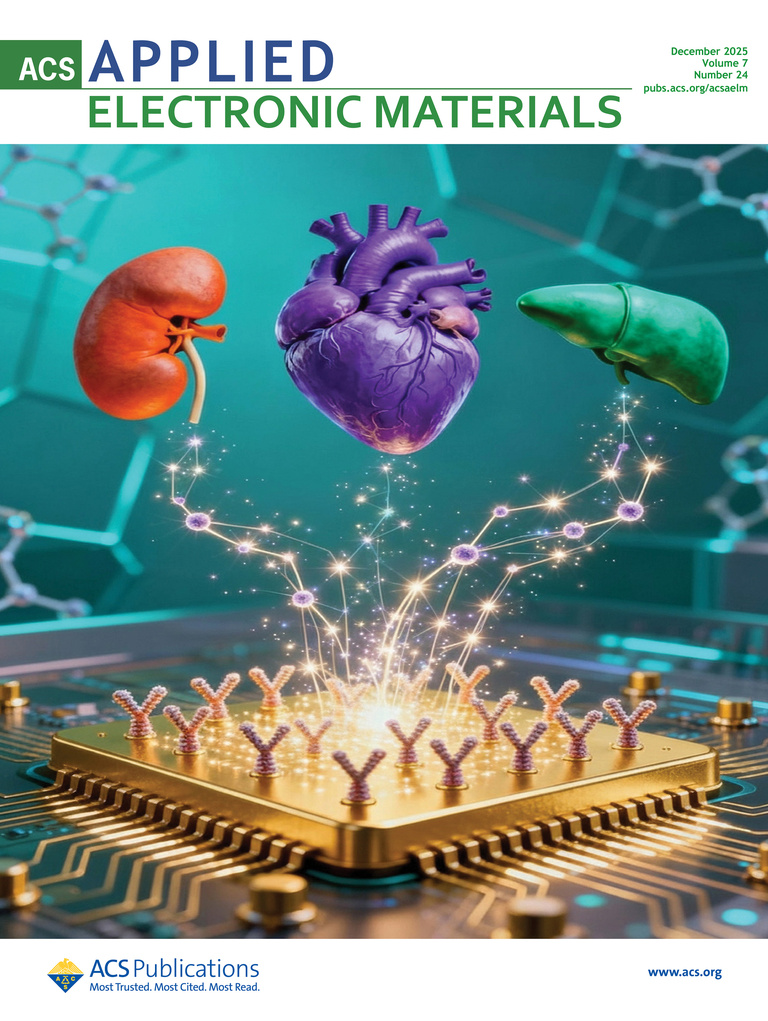
Given their many critical roles in health and disease, PHB’s are compelling drug targets. Many small molecules have been shown to bind with PHB’s and to have therapeutic potential for cancer and metabolic disorders (reviewed in PMID 23521790). As we continue to unravel new ways in which PHB’s control cellular metabolism and function in the body, we simultaneously pursue new ways to exploit PHB as a drug target and as a biomarker for personalized medicine (see PMID 41473019 and cover art below).